

These days you don’t need to trek all the way across town to enjoy a specialty coffee. There are plenty of options for getting your favourite caffeinated drink, whether it be a flat white, a latte, an americano, an espresso, or a cortado, whether it’s to go or even by making it yourself. However, as little as 20 years ago, coffee was much less accessible.
The ‘third wave’ of coffee is the movement that made coffee more accessible, while also fostering a culture based on specific coffee-related interests.
If you’ve ever been around coffee aficionados you’ve almost certainly heard the term being thrown around, but to fully understand it you need to go back to the beginning. From there we will let you know all about the history of coffee in Quebec specifically.
The first wave: coffee as a tool
1900s to 1970s
In the early 20th century, coffee was mainly seen as a commodity, used to wake people up in the morning and keep them going throughout the day. This became even more pronounced during the World Wars, when soldiers would drink massive amounts of coffee to stay awake in the trenches.
This mentality led to the development of instant coffee. Unlike tea, which was meant to be savoured, instant coffee was something of a ‘quick and dirty’ way to get energy.
Providing cheap, fast, accessible coffee was the industry’s response to the needs that arose during the struggles of the early 20th century.
Coffee also started to be produced in industrial quantities, which naturally led to a drop in quality.

The second wave: coffee as a treat
1970s to 2000s
The ‘70s saw this early trend of coffee as a utility product start to reverse, largely thanks to companies like the Siren-Who-Must-Not-Be-Named (yes, that one).
The independent cafés of the time made people more aware of, and interested in, factors like flavour and the beans origin. In response, cafés across the board started to introduce new drinks, like: lattes, cappuccinos, and mochas, which all became coffee-shop staples.
This wave also gave rise to a new art form, latte art, around the turn of the century, thanks to a man from Brooklyn.
Coffee had become more than just a utility product. It was a way to treat yourself, much like a good cup of tea. We also saw the social culture of the café emerge, then become formalized and commercialized.

The third wave: coffee as an art
2000s to present
The third wave started as a subculture in the early 2000s. No longer a simple product or commodity, coffee had become an art.
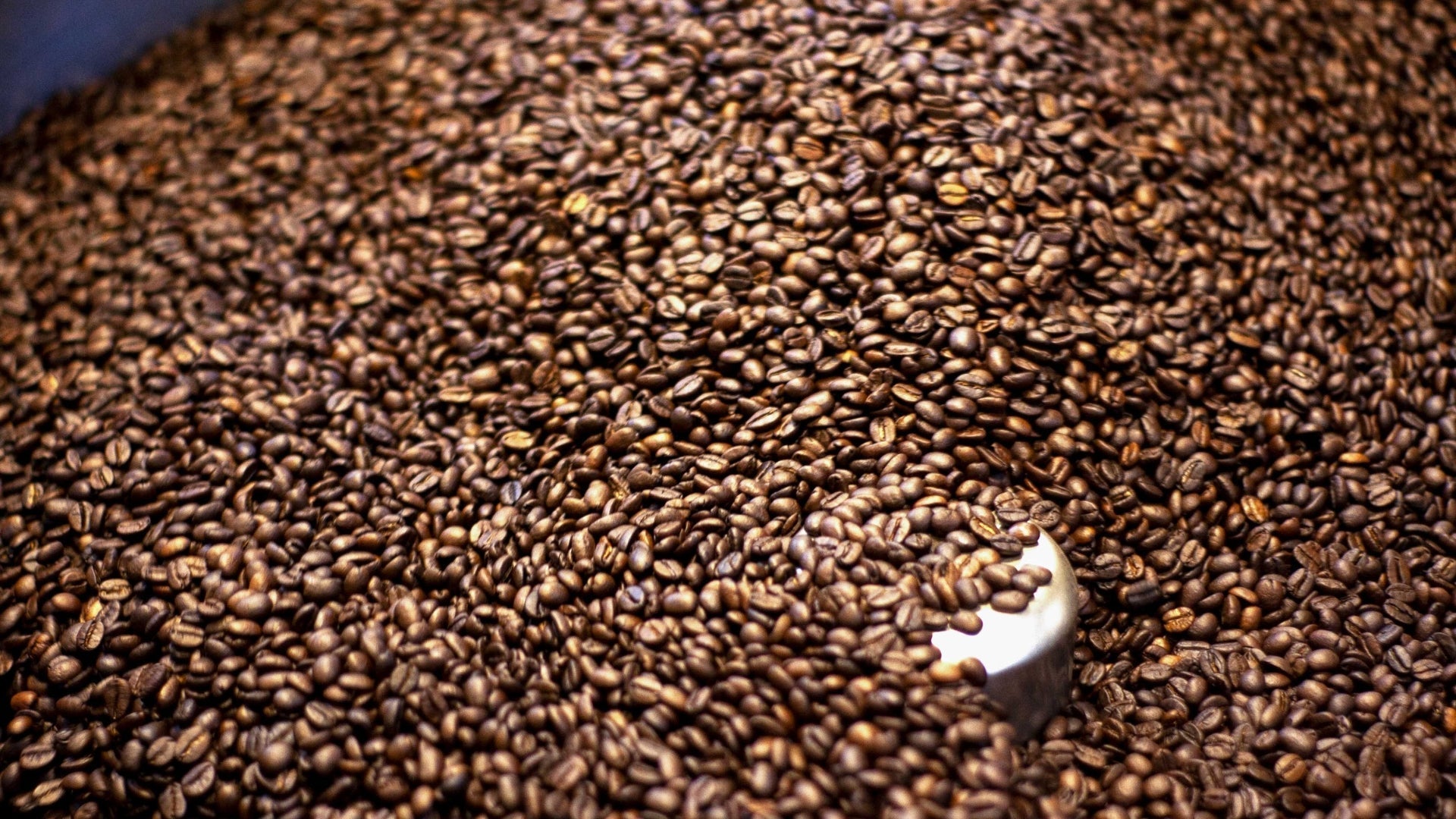
People started paying more and more attention to beans, roasts, brewing methods, and growers. Independent coffee shops and micro-roasters became the heart of the movement as the love for the artisanal side of coffee grew. Companies started looking to provide the best taste, brew, and appearance (latte art, anyone?) possible.
Baristas have become more and more qualified, always looking to hone their expertise, much like sommeliers in the wine world. Artisans can be extremely specific when it comes to the origins of their beans and the types of blends they create, which allows them to share even more information about the coffee. And, generally speaking, they’re looking to democratize the process by educating the average consumer.
With this wave, quality and ethics have become important factors in the coffee experience. The third wave has also brought back filter coffee, but with a greater emphasis on mastering the brewing process.
No longer a subculture, third-wave coffee has become a mainstay in Quebec.
The fourth wave: coffee of the future
The coffee industry is currently trying to find out (or even define) what the fourth wave of coffee will be. There is currently no clear consensus, but some are saying that this wave will be all about coffee as a science.
At Barista, we believe that our management is setting the trend for the fourth wave: we craft slow-roasted coffee, educate amateurs and pros alike, and stay involved in our community. We care about every last aspect of a good coffee!
Sources
-
Vagues de café, Camille Laventure, Corsé Magazine. 2018.



Share:
Flavour Profile of Costa Rican Coffee
How to open your first coffee shop