
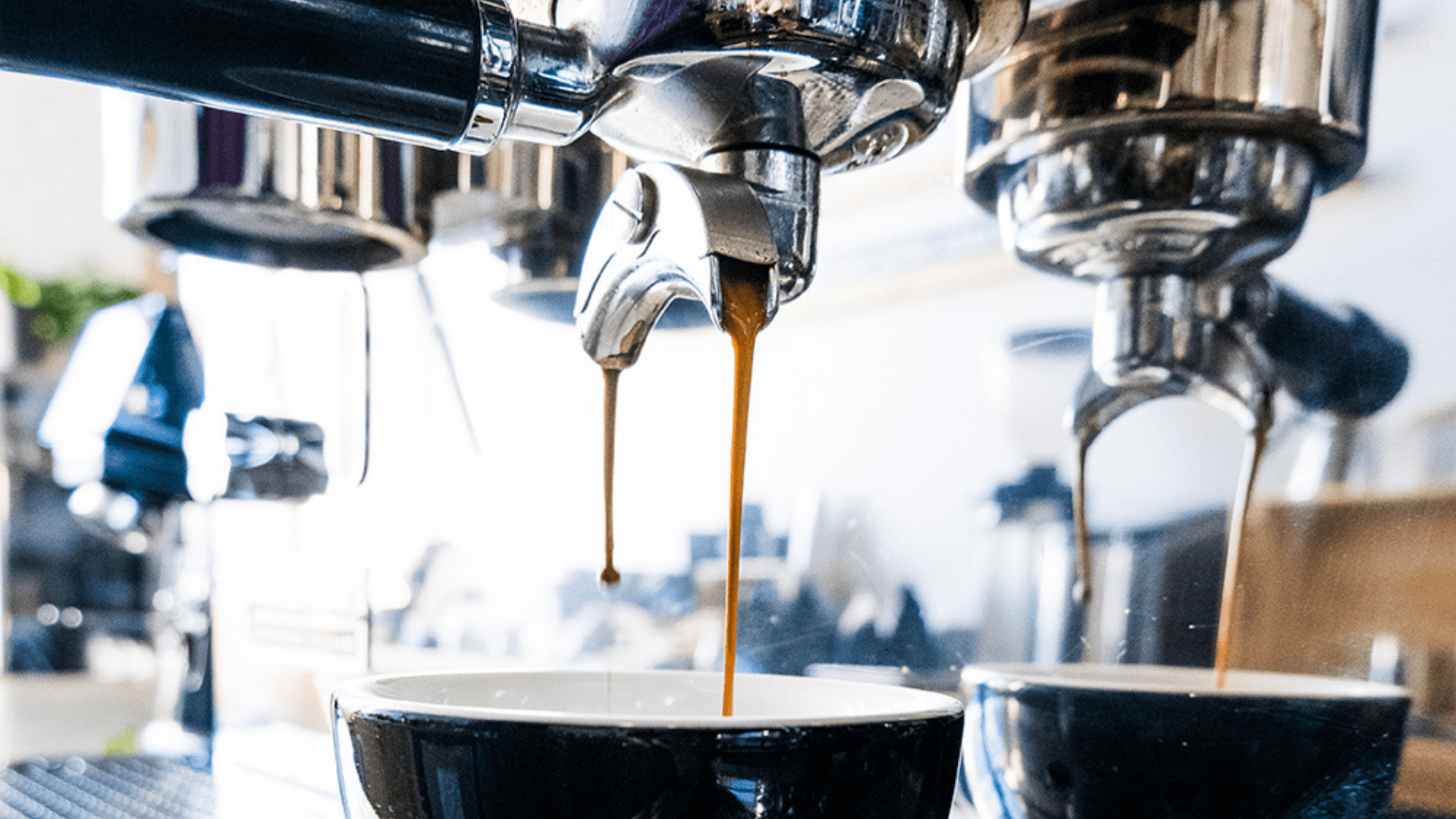
The long double espresso is part of basic espresso drinks. It is made with water and coffee and is very easy to make.
A Brief History
The espresso was created in Italy towards the end of the 19th century or early 20th century. Coffee was already extremely popular in Europe, and espresso machines were invented to make a higher-quality coffee more quickly. There were likely numerous prototypes, but it was Angelo Moriondo from Turin, who obtained a patent in 1884.
Espresso is an extraction of the essential coffee oils. This means that very hot pressurized water passes through the coffee to extract the oils. This makes a very concentrated and dense drink, with a lower caffeine content. In addition, espresso is divided into two parts: the liquid and the crema. It is the base of the majority of the beverages on the menu in coffee shops.
How to Make a Long Double Espresso
If you dive into the details of how espressos are made, you will realize that it is a real challenge to extract the flavours from such a fragile product using a method that is fairly aggressive. You can make a single or a double (quantity of coffee in the portafilter) and short or long (quantity of water that passes through the coffee) espresso. Here we are focusing on the long double espresso.
As with all espressos, no water is added to the cup when making a long double espresso, there is only the water that goes through the coffee grounds. It is made using double dose of espresso, meaning 14 to 18 grams of ground coffee. The coffee is pressed into the portafilter then just pop it into the brew group.
Very hot high pressure water puts strong pressure on the coffee. This high pressure allows the oils, and consequently, the taste, to be extracted from the coffee beans. This is also how these oils form the crema. The liquid produced during extraction is then finely filtered and then drips into the cup.
A short double espresso makes around 2 oz., a long double around 4 oz. of liquid, depending on the coffee used and the machine.
For the Long Double
Finely grind 14 to 18 g of coffee and place in a double portafilter.
Press the coffee into the portafilter.
Once the portafilter is inserted into the brew group, start extracting. Stop once there is around 4 oz. of liquid.
Enjoy. Some people add milk, cream, or sugar to their espresso.
Your espresso can also serve as the base for a caffeinated drink thinned with milk or water, for example, an Americano, a latte, or a mocha.



Share:
How to Make a Short Double Espresso
How to Make an Old-fashioned Cold Brew?