
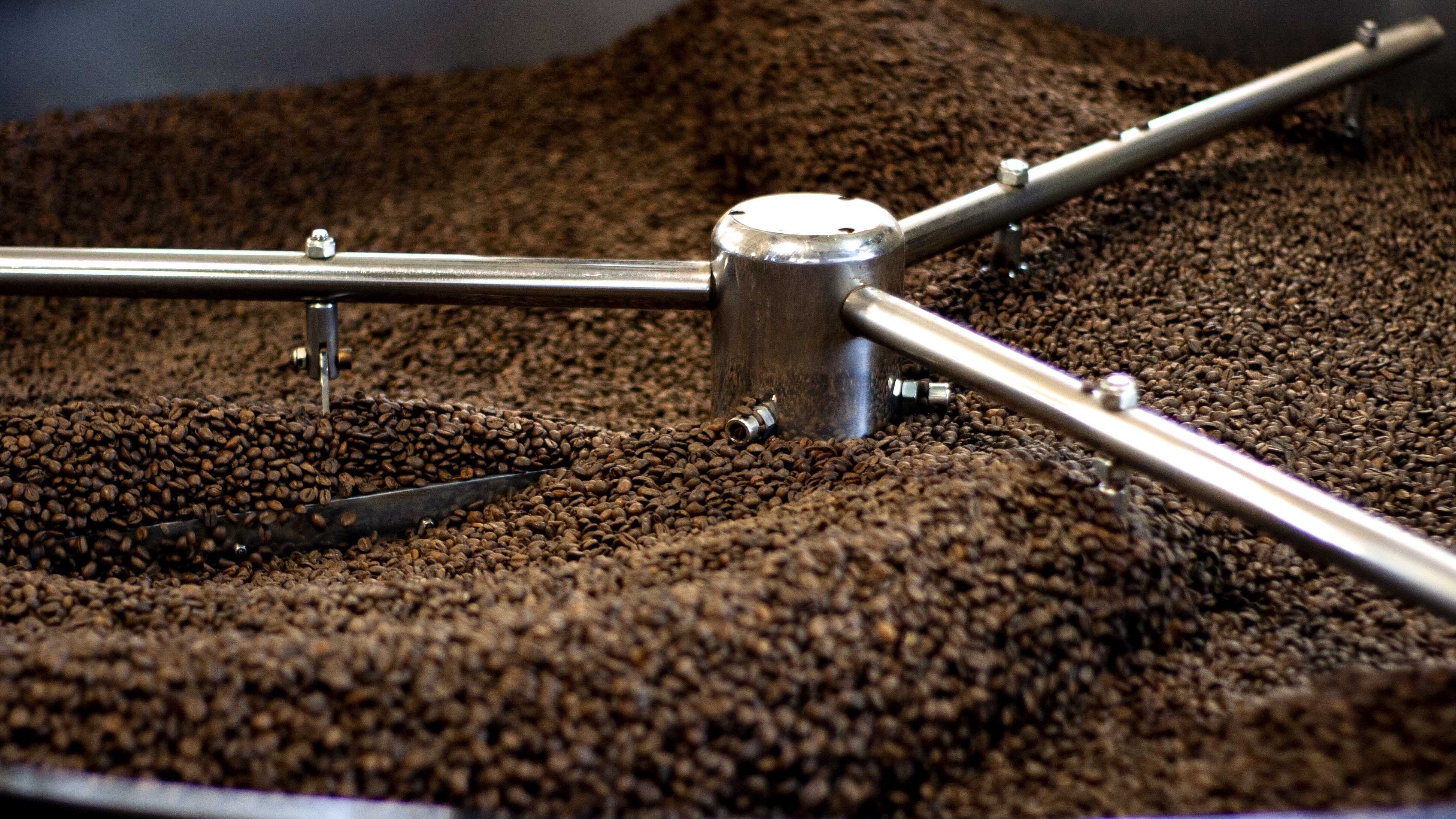
Light, dark, medium-dark, blonde, medium-light…it can sometimes be difficult to sort out the different roasting profiles, but they each have their own specific characteristics and are more or less adapted to each extraction or brewing method. Here we have an overview of the three main categories.
Coffee, Malleable Like Wine
Before getting into the details, it’s essential to know that each roasting profile is available in hundreds, even thousands, of different flavours! The flavour profile of a coffee is defined in two ways: the origin (Central America, Africa, etc.) and the roast (roasting time and temperature).
Despite the base flavours, which can be broken down by these two criteria, everything else is very malleable. As such, two beans from two completely different origins can produce similar flavour profiles depending on how they are roasted. In fact, it’s exactly like wine: the variety of grape sets the tone for a vintage, but the flavour of the final product can vary by region, year, and producer.
The Blonde Roast
Coffee reacts the same way as any other food when it’s cooked in an oven: it browns. Therefore, when we talk about the colour of the roast, this is also talking about the roasting time. The colour of the bean will also be reflected in the cup: a blonde roast will make very pale, almost yellow coffee, while a dark roast will make a dark caramel coloured coffee.
Thus, a blonde roast is when the beans are roasted for the shortest amount of time. Generally, the lighter the roast the more citrusy the taste, making for a very acidic coffee. Don’t forget that the coffee bean is a fruit and its base taste is somewhere between a cherry and a lemon, which will lend all its natural acidity with a very short roasting time.
Blonde roasts are also generally not as strong. The longer the coffee is roasted, the stronger it will taste, as the fruity and acidic flavours disappear. Generally, this roast is the one recommended by third wave cafés.
The Light or Medium-dark Roast
There is a difference between light and medium-dark roasts, but the specific features of that are fairly subtle. So, we’ve decided to put them together because the main characteristics that describe these two flavour profiles are very similar.
As the coffee beans are roasted for longer than a blonde, the acidity of the coffee will be less pronounced. You will also find nutty and chocolatey notes, in addition to a warmer and stronger flavour.
Generally, this roast is the one recommended by more traditional cafés.
The Dark Roast
This flavour profile is the most intense and has the most natural smell, due to the more floral finish. The dark roast lingers in the mouth and eliminates a lot of the fruity flavours, which are replaced with roasting flavours, which are reminiscent of dark chocolate. Certain dark coffee roasts also have an interesting burnt taste.
If you have an at-home automatic espresso machine, dark roasts should be avoided at all costs. As they are oilier and will create a build-up of residue in the machine, which could be disastrous.
What Roast Should You Use?
For espresso, we avoid the extremes: so blonde and dark. A blonde roast will be very acidic while an espresso made with dark roast will not have any fruity flavours.
For the other brewing types, like the dripper, the Chemex, or even cold brew, you can use your whatever roasting profile you prefer. As the coffee is a little more diluted compared to an espresso, you can taste all the subtleties of your blend.



Share:
Olive oil in your coffee? Sure!
How to make a Mocha?