
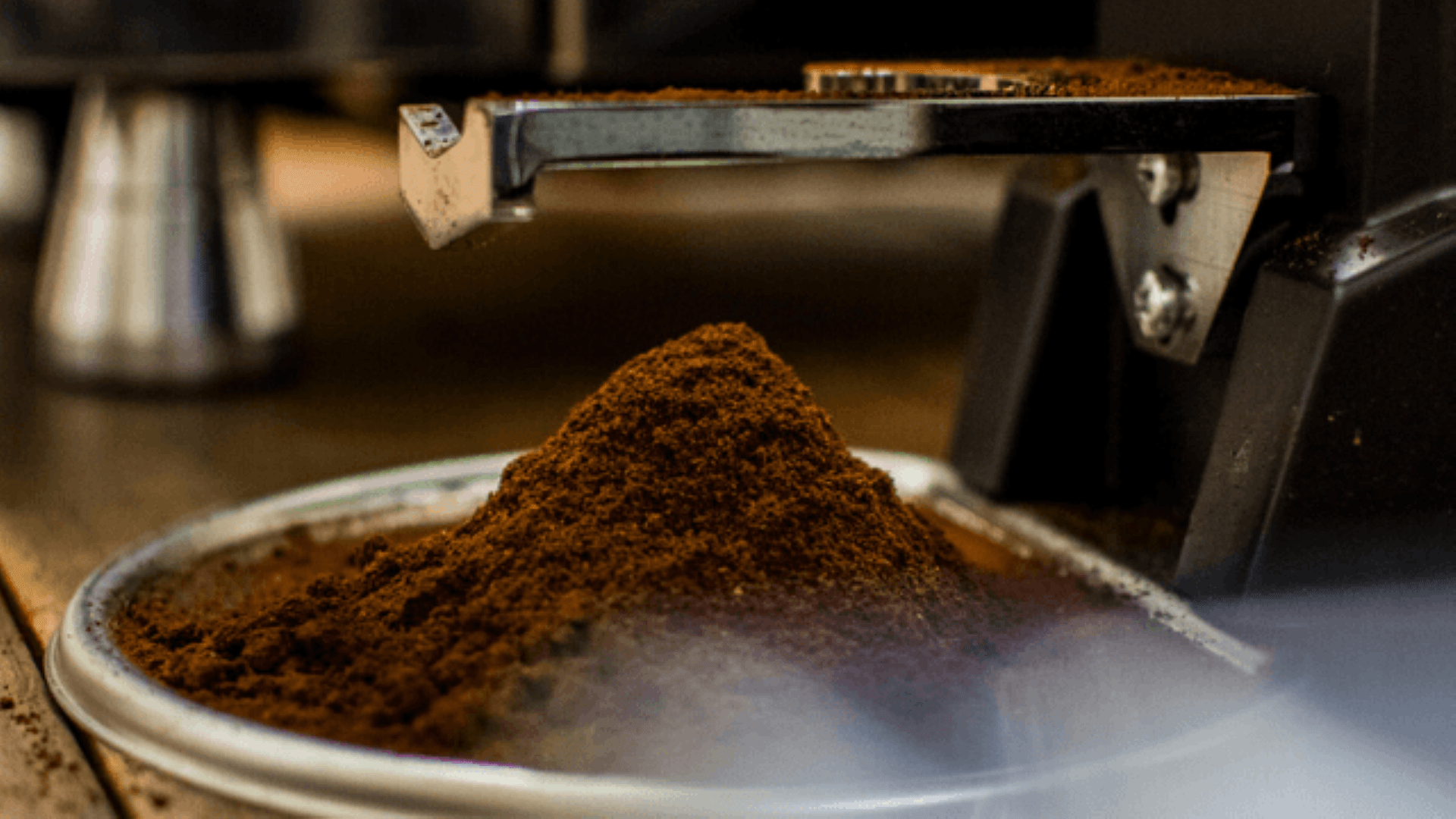
Whether you're using an espresso machine or not, the grind is a very important part of making the perfect cup of coffee when using a manual brewing technique. Here are our tips for getting the best grind for your preferred brewing method.
A Few Basic Rules
It is essential to know how to adjust your grinder. Remember that each coffee blend or origin has its own ideal grind, much like each wine has its ideal serving temperature, decanting time, and serving glass. If you are an avid coffee drinker it may be worthwhile to try out a few different grinds when you change coffee blends, this will ensure that you’re really getting the most out of your beans!
A similar rule applies to seasonal changes; coffee is a very variable product and is sensitive to its environment. This means that as the seasons change, fluctuations in humidity and temperature will affect your coffee. If you’re using the same blend year-round, take the time to adjust your grinder every three to four months, or essentially from season to season. It's worth it, especially if you're paying a small fortune for a kilo of coffee!

The Grind for French Press
Often called a ‘coarse grind’, this grind is not only used for French presses, but also for percolators. It’s one of the largest grinds used for daily hot coffee drinking. Any bigger than that, and you’ll end up with beans that are perfect for a cold brew!
These grains look like sea salt to the naked eye, so they are quite large and granular.
It's very easy to tell if your grind is right: if you have a ton of coffee residue in your French press, your grind is too fine! Conversely, if you have no residue, you can reduce the grind slightly. A very small amount of sediment should form at the bottom of your cup.
Since this is not a fine grind, an entry-level grinder will do the job here. Your French press will also be much more forgiving of grinds that are uneven or lack a little precision.

The Grind for Filter Coffeemaker and Drippers
Slightly finer than the grind for a French press, the grind for a coffeemaker filter can also be a little more varied. Paper filters and permanent filters do not need the exact same kind of grind. The grind for a paper filter is a bit coarser and closer to a French press grind, while the grind for a permanent filter is slightly finer and tends towards an Italian coffeemaker grind (like for a mocha).
As such, a dripper, a Chemex, or any other system that’s similar to a portafilter in that it requires a paper filter, opt for a filter grind that’s a little larger. The same thing applies with the AeroPress (although this infusion method is capricious, as the ideal grind can change from one infusion time to another).
Visually, we are dealing with grains that look like sand, or slightly finer than sand, when it comes to the permanent filter grind.
To ensure you get the right grind, brewing is once again key. Brew a coffee with your chosen method and if there is too much sediment, use a larger grind, and vice versa.
Again, an entry-level grinder will do the job here. If you need to upgrade to a finer grind however, consider buying a more powerful grinder, otherwise you won’t be able to produce quality coffee.

The Grind for Turkish Coffee
This one requires the finest grind you can get. In fact, there is no brewing or extraction method that requires a finer one.
If you really want to make a Turkish coffee, you may need to buy a specialized grinder for the job. You can ask around at specialty stores as some commercial-grade grinders are able to do the job.
This grind is reminiscent of powder or flour, both visually and to the touch. If you rub a little coffee in the palm of your hand, it will immediately leave dark marks on your skin.
And do we need to say it again? Do a taste test with your Turkish coffeemaker, and you'll know if your grind is right. Too much acidity and bitterness are clear indicators of a bad grind.
How do you Know?
No matter how much advice you’re given, the important thing is to be by your machine or brewing system during a trial-and-error session; the best test to find your grind is to make coffee! If the taste, texture, and appearance are there then it’s mission accomplished!




Share:
My First Café: Le VSL
Quebec Amaretto Coffee Recipe