
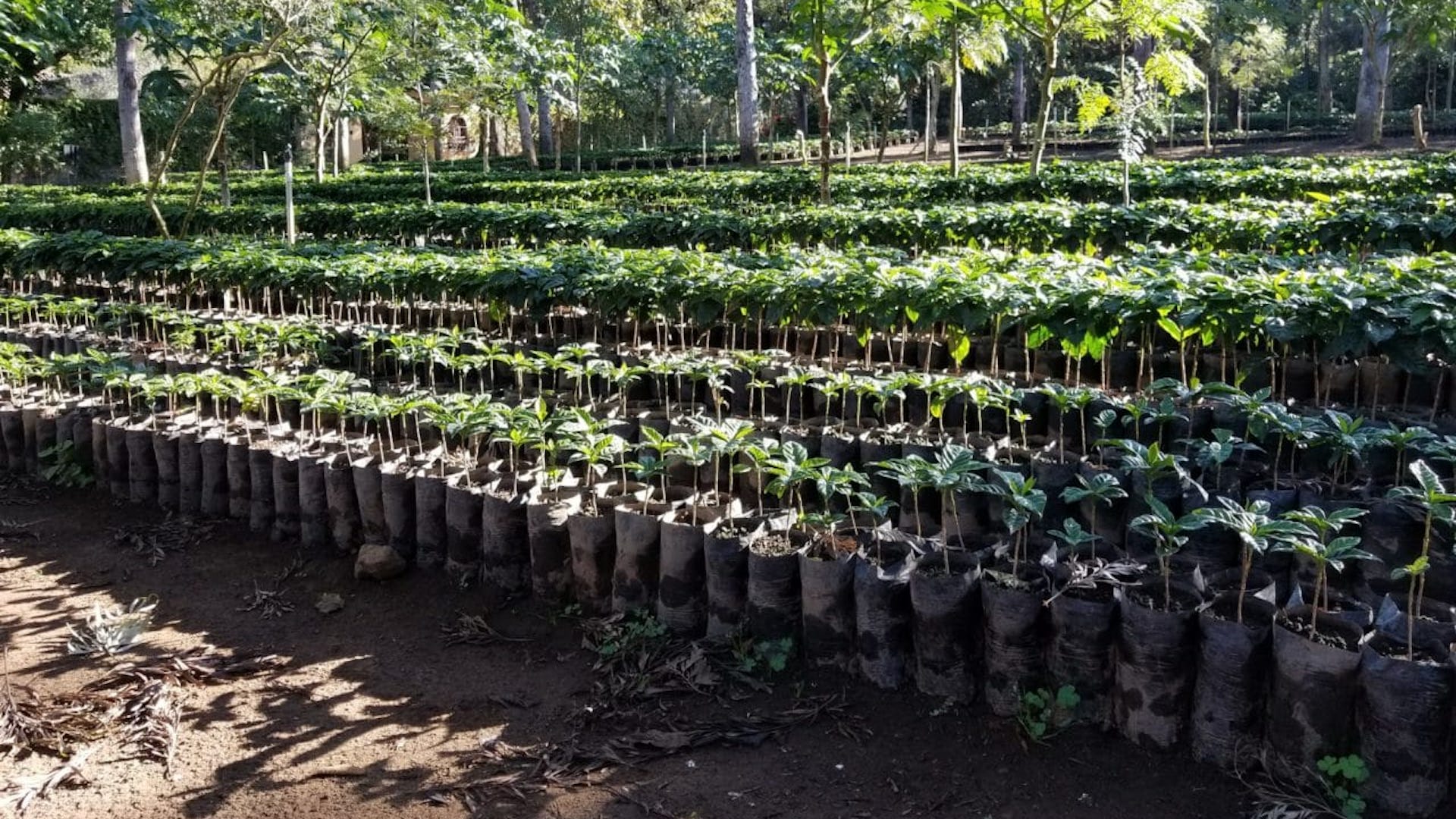
Most roasters now offer products certified as fairtrade and organic. But what is behind this label? How do you get certified and what does it mean?
The two certifications have different authorities and different verification factors. Organic certification is given to products themselves, while fairtrade certification refers to the production process and conditions offered to workers.
Certified Organic
In Quebec, organic foods can get certification from a few companies and organizations approved by the CARTV, the only provincial authority that can issue permits. The accredited companies are:
Note that the accreditor's logo on the product is not required, but the name is. According to the Ministère de l’Agriculture, des Pêcheries et de l’Alimentation du Québec (MAPAQ):
“In order to be certified, a product must comply with the standards of the certification authority based on the Quebec Organic Reference Standards.”
In practical terms, this means that coffee beans, or any other cultivated product, were not affected by pesticides, or contaminated in any way during their production. It also means that beans are grown without the use of chemicals.
Verification for organic certification involves keeping a production logbook that documents the entire process of the coffee beans, vegetables, and everything from A to Z that happens on the farm. This guarantees complete traceability.
Certified Fairtrade
Fairtrade International is the organization that awards fair trade certification worldwide. Their local branch, Fairtrade Canada, is officially recognized by the Quebec and Canadian government, and its stamp on a product guarantees its authenticity.
Fairtrade certification means that workers (on coffee plantations or in any industry) are working under acceptable labour conditions. And it's not just wages: it is about providing workers with adequate compensation and a healthy work environment, prohibiting child labour, respecting human rights, and continuous training for producers. The production should also be environmentally friendly.
Once again, verification involves ensuring traceability of certified products. We need to know where the product came from and how it was cultivated or made, because Fairtrade has to sign off on the working conditions. Annual audits of production sites are mandatory to maintain certification.
So, do you want to meet over a cup of fairtrade coffee?
If you're ever interested in learning more about roasting organic coffees, we have an article on this very topic!





Share:
Travel Mugs: KeepCup vs SmartCup
Introducing Station 210