
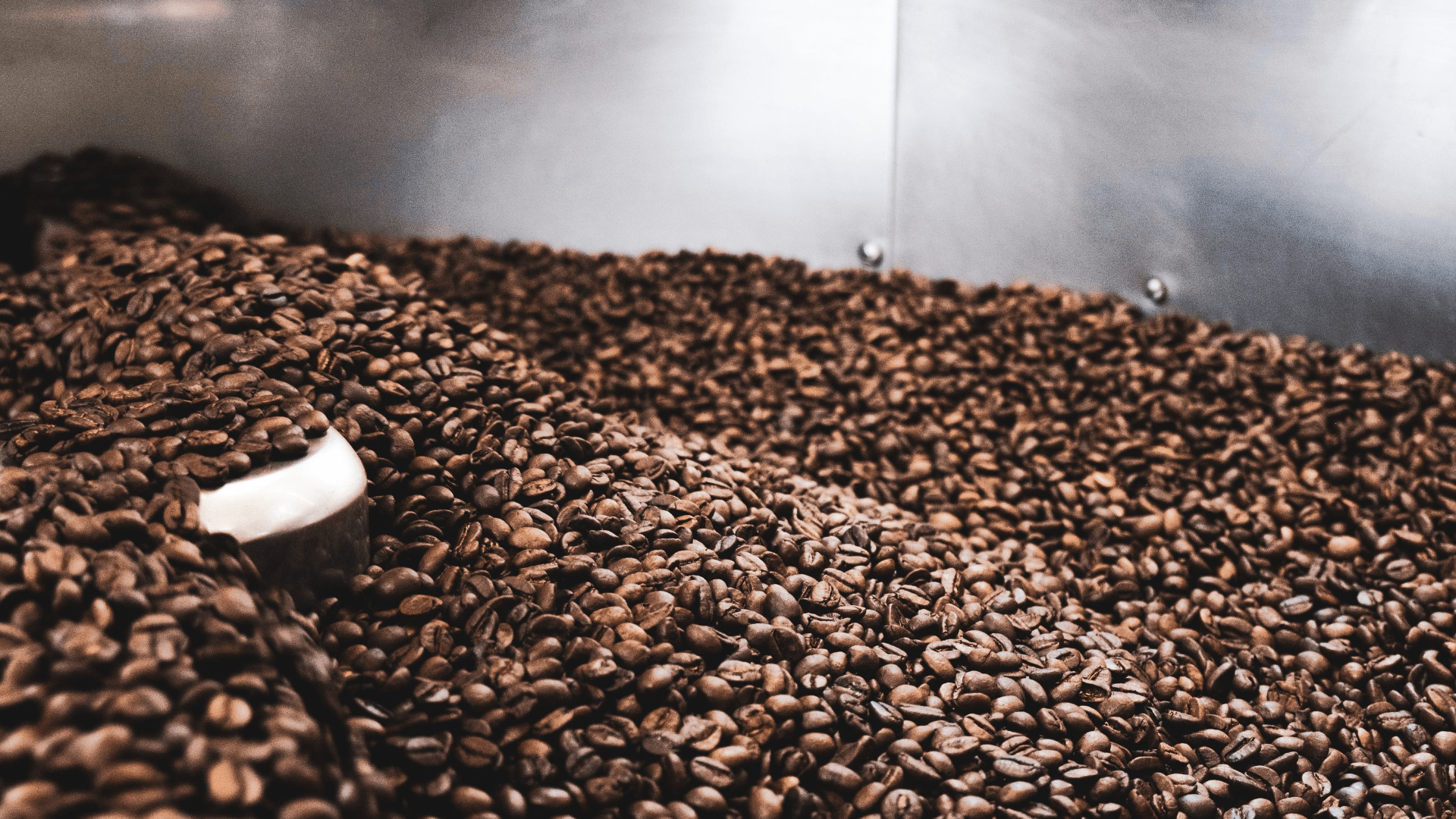
The selection of organic coffee is constantly expanding, not only because there’s increasing consumer interest in more environmentally friendly products, but also because producers want to do better for the planet. Do you have any idea about how many steps organic coffee beans need to go through before landing in your cup? Here’s an overview.
Licensing
First of all, you should know that each company looking to process (which includes roasting) and sell organic coffee must have a proper licence provided by the government and renewed each year. The beans in our BIO I and BIO II blends (espresso and filter grinds) are certified fair trade by Fairtrade Canada and organic by Québec Vrai.
Purchasing From a Certified Broker
It is very, very rare for roasters to purchase their products directly from the producers around the world. To do so, they need to go through brokers that specialized in importing coffee, just like most other roasting houses. And guess what? These brokers also need to have a specific licence to purchase organic goods.
Receiving the Unroasted Beans
Once a roaster receives their countless sacks of green coffee, they have to store them in a specific area. They must avoid any contamination from other sacks in order to ensure that the final result if 100% organic.

Roasting
Each roasting house has its own process for this stage. At Barista, we always roast our organic beans first thing in the morning. The reason for this is simple: we always need to clean our equipment and make sure that the roaster is spotless before the roasting process begins in order to avoid any cross contamination. Given that we clean our machines at the end of each day, it’s a lot more logical to take care of the organic beans first thing in the morning; instead of having to clean the roaster twice a day. There’s no time to waste!
Grinding and Packaging
Whether or not the coffee is ground, and whether it’s packaged into large multi-kilo bags, or into small 250-gram pouches, all the equipment must once again be perfectly clean. And cleaning grinders and packaging equipment is no easy feat! These are just two more reasons to take good care of our BIO I and BIO II blends first thing in the morning!

Roasting Record
This is by far the most complex step. In short, it consists of keeping a record of all coffee roasts and the beans used in them. This process allows for keeping track of all the products purchased, roasted, and sold. The record accounts for the green coffee sack’s batch number and roasting date. Then, a code is generated and placed on each coffee bag that’s ready for sale. This allows for keeping track of the origin of your favourite coffee blend and to ensure that it’s fresh.
Yearly Audit
Once a year, we get a visit from an inspector to audit the compliance of our operations and equipment. The auditor then sends a report to the organic certification agency, which in turn submits its recommendations.
Permission to Use the Logo
Just like for any other brand, it is crucial to ask for the organic certification agency’s approval to place its logo on a product. As a result, all promotional objects, labels, and other printed materials that require the certification agency’s logo need to be submitted as well. This also applies to blends developed for independent coffee shops, which have to sign a three-way agreement in order to use our licence.
Environmental and Social Impact
If you’re reading this article, you’re probably already an organic coffee consumer. So, we don’t really need to provide an in-depth explanation about all the benefits that organic products provide for our planet and for coffee-growing communities! The most important thing to emphasize is that, with each cup of organic coffee, you’re doing a little more for the environment. Cheers!
Did you know that, among other things, coffee grounds can be used to exfoliate your skin and unclog your sink? Find out more about our tips for reusing coffee grounds!




Share:
Cuban Coffee Taste Profiles
Coffee ‘Cupping’: Judging Coffee Bean Quality