
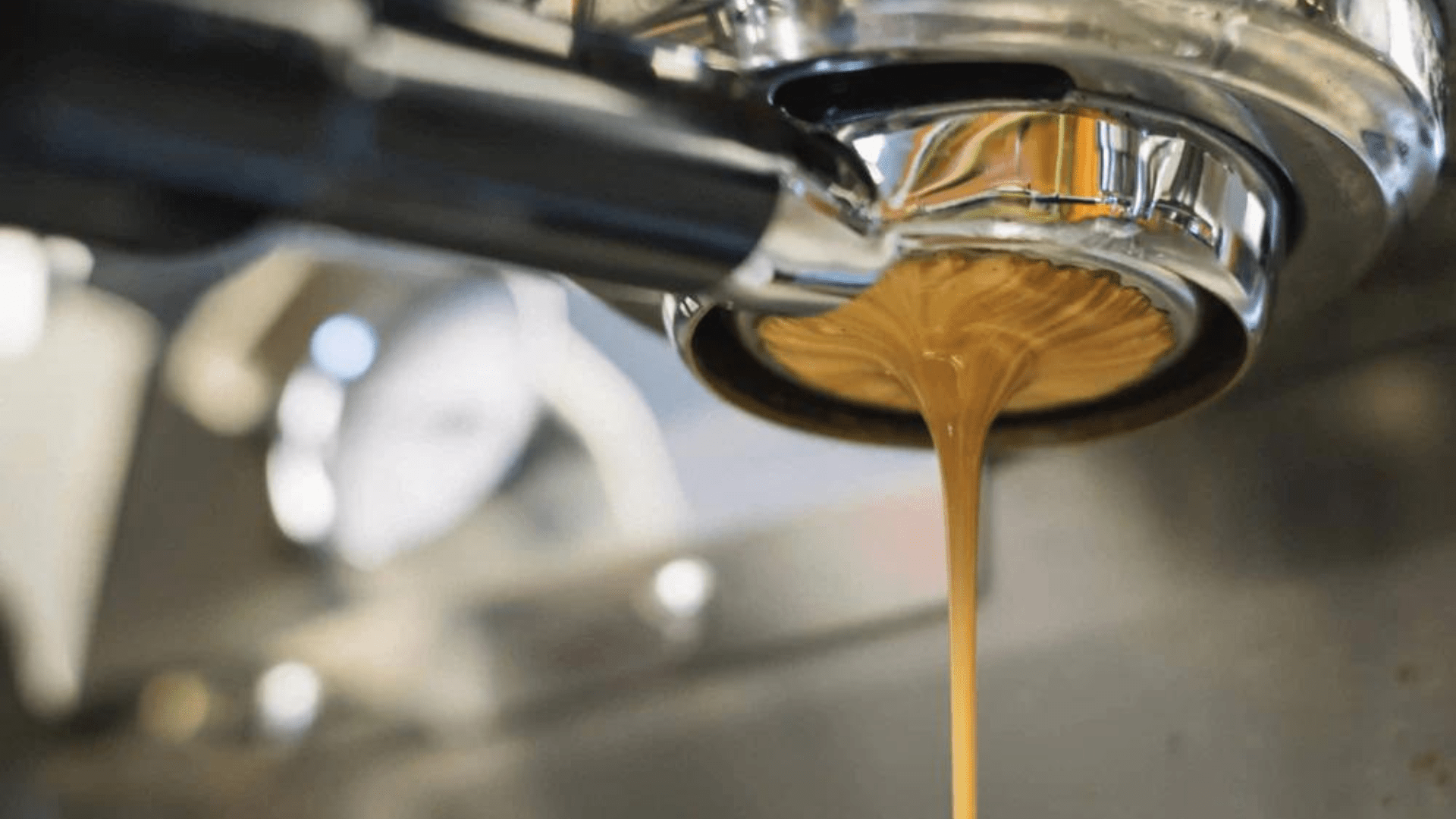
It’s coffee beans and water, but it’s also so much more than that. So, what is espresso, really?
A Bit of History
Espresso was invented in Italy in the late 19th to early 20th century. Espresso machines were invented from the desire to prepare better coffee faster, which was already an exceptionally popular drink all over Europe at the time. Although several prototypes were created before, Angelo Moriondo from Turin is typically credited with the invention, as he was the first to obtain a patent for it in 1884.
Espresso is concentrated coffee. Piping hot water is forced through ground coffee beans at high pressure to extract their oils. The result is a highly dense and intense drink with a lower caffeine content. Espresso has two separate parts: the liquid and the crema. It is the bases for most drinks on coffee shop menus.
The Difference Between Espresso and Filter Coffee
Simply put, filter coffee is an infusion. Water passes through the coffee grounds and soaks in it for a while, producing a tasty, caffeinated drink. It’s a bit like tea in that the entire mug is filled with the same liquid.
Espresso, on the other hand, is a coffee extraction where very hot water, at high pressure, passes through the coffee grounds to extracts its oils, for a highly concentrated and dense drink that contains less caffeine. Espresso is divided into two parts: the liquid and the crema. Scroll down to learn more about this!
Which Roast is Best?
For espresso, we tend to avoid blonde and black, the two extremes. A blonde roast will produce a highly acidic coffee, while an espresso made from black roasted beans will have no fruity aromas.
For other infusion methods such as a dripper, the Chemex, or cold brew, any roasting profile can be used. Since the coffee is more diluted than espresso, you’ll be able to taste all the subtle notes of your blend.





Share:
The Best Cafés in New York
What Influences the Price of Your Coffee?